Home Renovation Made Simple: A Complete Guide for Property Owners
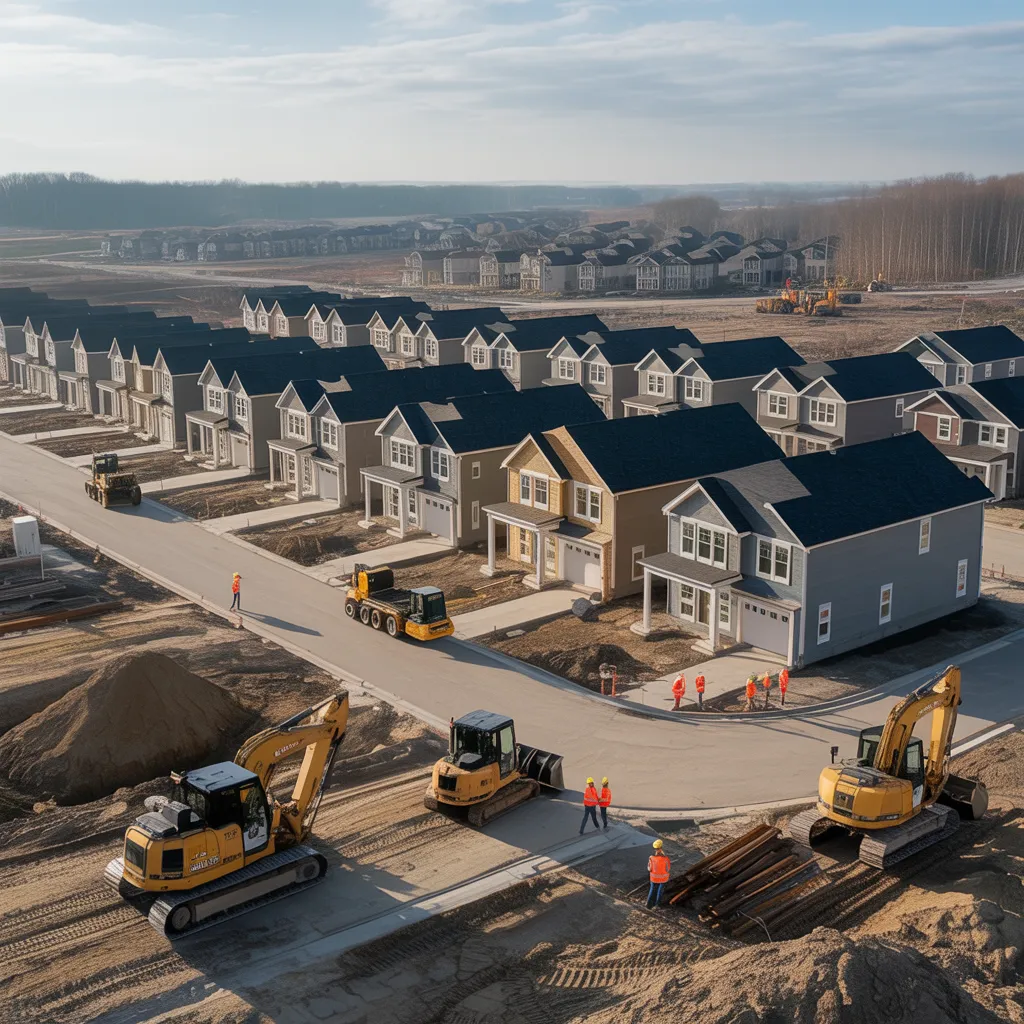
Home renovation can present an intimidating task for many property owners. Recognizing one's requirements and setting practical goals is crucial. A well-organized approach can make the process smoother and more productive. This guide offers valuable insights into financial planning, design, and choosing the right materials. Homeowners may find themselves contemplating the best methods for handling these challenges. What critical steps should they consider to guarantee a successful transformation of their living spaces?
Determining Your Necessities and Aims
When evaluating their needs and goals for home remodeling, homeowners often wonder where to get started. The first step involves a extensive assessment of their actual home state and desired outcomes. Homeowners should reflect on targeted spaces that require improvement, such as aging kitchens, poor storage solutions, or inadequate living space. Pinpointing these issues can help order projects based on urgency and necessity.
In addition, property owners should reflect on their long-term goals. Are they looking to enhance comfort, raise property value, or create a more functional space for family occasions? Understanding these priorities will guide the remodeling process and confirm that the finished product aligns with their expectations.
In addition, gathering input from household members can be beneficial, as varied viewpoints may bring to light supplementary needs or desires. By dedicating time to assess their goals and needs, homeowners can lay a strong base for a thriving remodeling undertaking.
Establishing a Realistic Budget
Creating a realistic budget is essential for a successful remodeling project. Homeowners should commence by estimating project costs, factoring in materials, labor, and design elements. Additionally, reserving contingency funds can help manage unexpected expenses that may occur during the remodeling process.
Calculate Project Pricing
A thorough understanding of remodeling expenses is crucial for property owners beginning a remodeling journey. To accurately estimate costs, they should take into account elements including supplies, labor, permits, and unexpected problems. Researching local market rates for supplies and hiring contractors can provide a more transparent financial picture. Property owners should also account for the scope and intricacy of the undertaking, as these components considerably influence costs. Creating a detailed list of necessary supplies and labor will help in compiling estimates. It is recommended to seek multiple quotes from contractors to ensure competitive pricing. By establishing a precise budget that aligns with their financial capabilities and renovation objectives, property owners can set insightful guide a realistic budget, eventually resulting in a smoother remodeling experience.
Set aside emergency resources
Calculating project costs establishes the foundation for sound budgeting, but homeowners must also consider unexpected expenses that may occur during a remodeling project. A common recommendation is to allocate a reserve fund, typically ranging from 10% to 20% of the overall budget. This assignment functions as a monetary cushion, enabling property owners to address unforeseen issues such as structural repairs or material price increases without derailing the whole undertaking. By preparing for these possible expenses in advance, homeowners can exercise better management over their finances and decrease anxiety throughout the remodeling process. Ultimately, a carefully planned budget that contains reserve allocations enhances the probability of a prosperous and gratifying remodeling outcome.
Planning Your Area
How can homeowners effectively design their environment to reflect their personal style while enhancing functionality? To achieve this, they should commence with examining their priorities and daily routine. Recognizing how each room will be applied guides the overall design and flow. Homeowners might consider creating zones for multiple purposes, ensuring that high-traffic areas remain open and accessible.
Including elements that display individual preference, such as color schemes, furniture selections, and ornamental details, permits a unique expression without forgoing practicality. Additionally, leveraging dual-purpose furniture can maximize room optimization, especially in limited spaces.
Natural light represents another significant consideration; opening up windows or placing mirrors can produce a more inviting feeling. In the end, residents should consider balance and size, verifying that furnishings align with the room's measurements while upholding a structured aesthetic. Through merging thoughtful design with style, residents can establish a unified living space suited to their choices.

Picking Materials and Surface finishes
When picking materials and finishes, homeowners should focus on both aesthetic attractiveness and durability to confirm their choices withstand the test of time. The selection process starts with grasping the intended aesthetic of the space, as various materials can create distinct atmospheres. For example, natural wood can create warmth, while sleek metals may provide a modern edge.
Homeowners should also think about the care needs of each material. Some finishes may need more care than others, influencing long-term satisfaction. Additionally, budget constraints are important; selecting quality yet reasonably priced options can produce enduring benefits.
Sustainability is growing increasingly important, prompting many to select eco-friendly materials that minimize environmental impact. Finally, homeowners should gather samples to picture how chosen materials will work with lighting and existing elements in the space. This hands-on approach aids in making well-considered choices that align with both personal style and practical needs.
Choosing the Right Experts
For a successful renovation project, homeowners must thoroughly evaluate the credentials and background of contractors employed to guarantee quality work. Comparing cost estimates from different contractors aids in making informed financial decisions. Finding the right expertise by following these essential steps remains important for successful home renovation.
Examining Qualifications and Track Record
Recruiting the right experts for a home remodeling project requires thorough consideration of their credentials and expertise. Property owners should start by verifying credentials, ensuring that professionals possess the required permits and certifications pertinent to the project. Furthermore, reviewing a portfolio of past work can provide insight into a contractor's style and level of craftsmanship. It is also advantageous to request references from past clients to gauge contentment and dependability. Expertise in particular kinds of remodeling, such as kitchen or bathroom renovations, can be essential; specialists often have the refined abilities required for intricate tasks. Finally, a thorough evaluation of qualifications and experience will help property owners choose professionals who can effectively execute their vision while conforming to industry standards.
Evaluating Cost Estimates With Precision
Evaluating cost estimates is an crucial phase in the selection procedure for home remodeling undertakings. Homeowners should collect estimates from several contractors to guarantee a thorough comparison. Each estimate should outline labor, materials, and any additional fees, allowing for an precise side-by-side analysis. It is essential to evaluate not only the total cost but also the range of services included in each estimate. Homeowners must be wary of markedly low bids, as they may indicate inadequate quality or hidden costs. Engaging in discussions with contractors about their estimates can provide insights into their thought processes and openness. Ultimately, selecting a contractor should balance cost and the value of quality workmanship, creating a prosperous renovation outcome.
Exploring the Redesign Timeline
Although the remodeling effort can appear intimidating, homeowners can achieve success by implementing several key steps. First, they should formulate a clear direction for their renovation, specifying expected results and particular features. Following this, establishing a feasible budget is important, accounting for materials, labor, and surprise costs. Researching and selecting qualified contractors can also prove beneficial; homeowners should request referrals and examine reviews before making their decision.
Once a contractor is assigned, effective communication is crucial. Homeowners should discuss timelines, project scope, and any concerns upfront to avoid misunderstandings. During the remodeling phase, regular check-ins with the contractor will help guarantee that the project stays on track and adheres to the agreed-upon plan. Finally, being flexible with modifications, whether due to unexpected issues or new ideas, can improve the overall experience, leading to a successful and satisfying remodeling outcome.
Common Inquiries Posed Regularly
How Long Does a Typical Home Renovation Project Take?
A ordinary home remodeling undertaking generally requires anywhere from a few weeks to several months, subject to the scale of work, home size, and any unforeseen complications that may emerge during the undertaking.
What Permits Are Obligatory for Home Remodeling?
Home remodeling typically calls for different types of permits, including building, electrical, plumbing, and zoning permits. The particular standards are based on jurisdiction requirements and the breadth of the project, guaranteeing compliance with safety and construction standards during remodeling efforts.
What Strategies Can Assist Me Reduce Disruptions During Remodeling?
To reduce interruptions during remodeling, one should establish a well-defined timetable, liaise with construction professionals, establish designated work zones, and advise household members about arrangements. This planning aids sustain regular schedules and reduces tension throughout the process.
What Actions Ought to I Implement if I Exceed My Financial Limit?
If a budget is overrun, he should examine the factors, concentrate on required changes, and examine cost reduction opportunities. Transparent communication with contractors and seeking alternative materials can also help bring finances into alignment with project goals.
How Can I Ensure Quality Workmanship?
One should seek out and hire dependable contractors, check references, review past projects, and establish clear communication about expectations, timelines, and materials to ensure superior workmanship. Consistently reviewing progress also helps copyright high standards throughout the project.